Where Japanese Manufacturing Meets U.S. Climate Innovation
Japan has spent decades perfecting the art of high-precision manufacturing, a discipline that underpins everything from automotive systems to advanced robotics. But as climate technology shifts from software dashboards to the hard infrastructure that can decarbonize grids, factories, and cities, a new question has emerged: how can Japan’s deep hardware expertise intersect with the U.S.’s rapid-iteration startup culture to build deployable climate solutions?
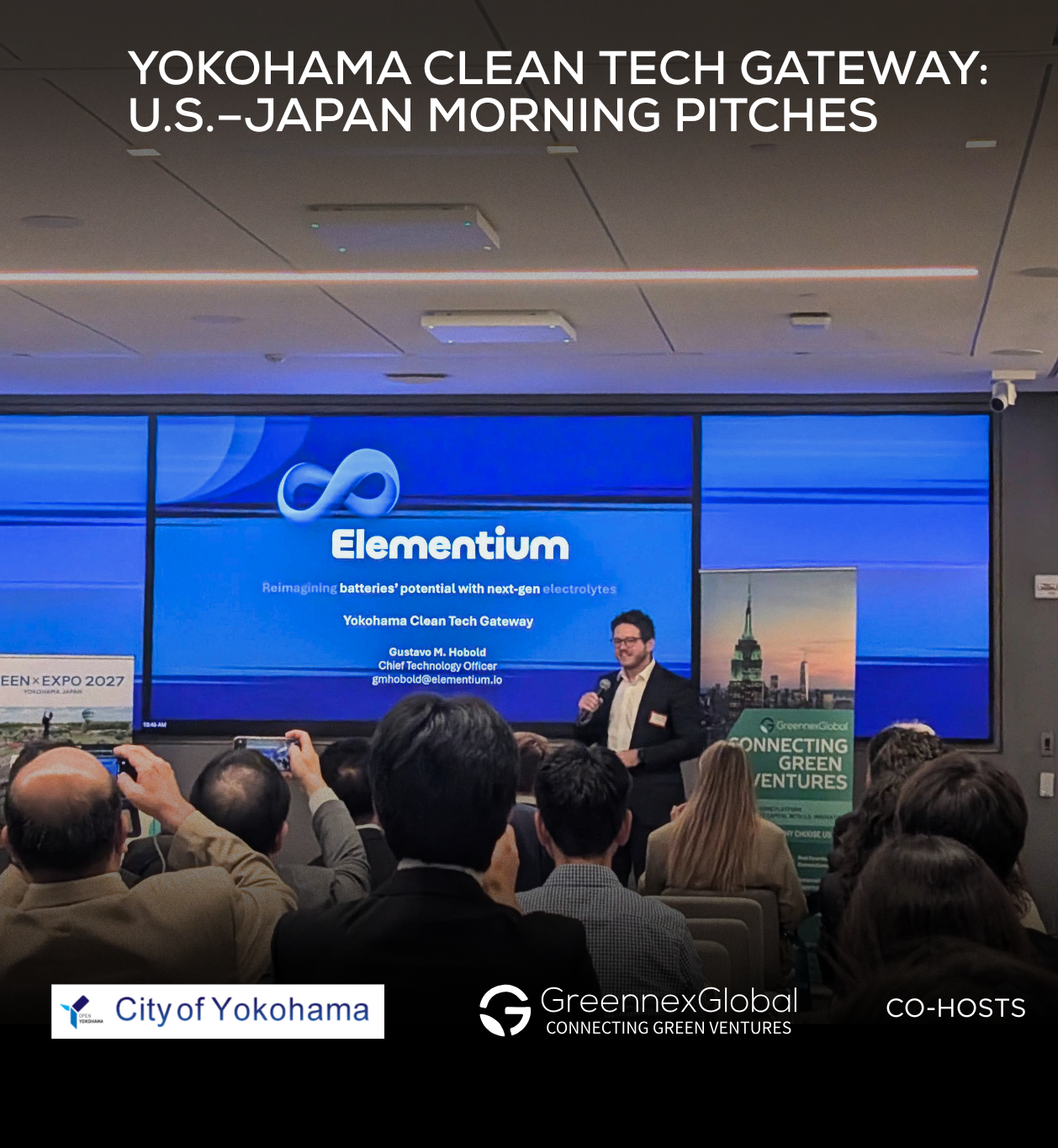
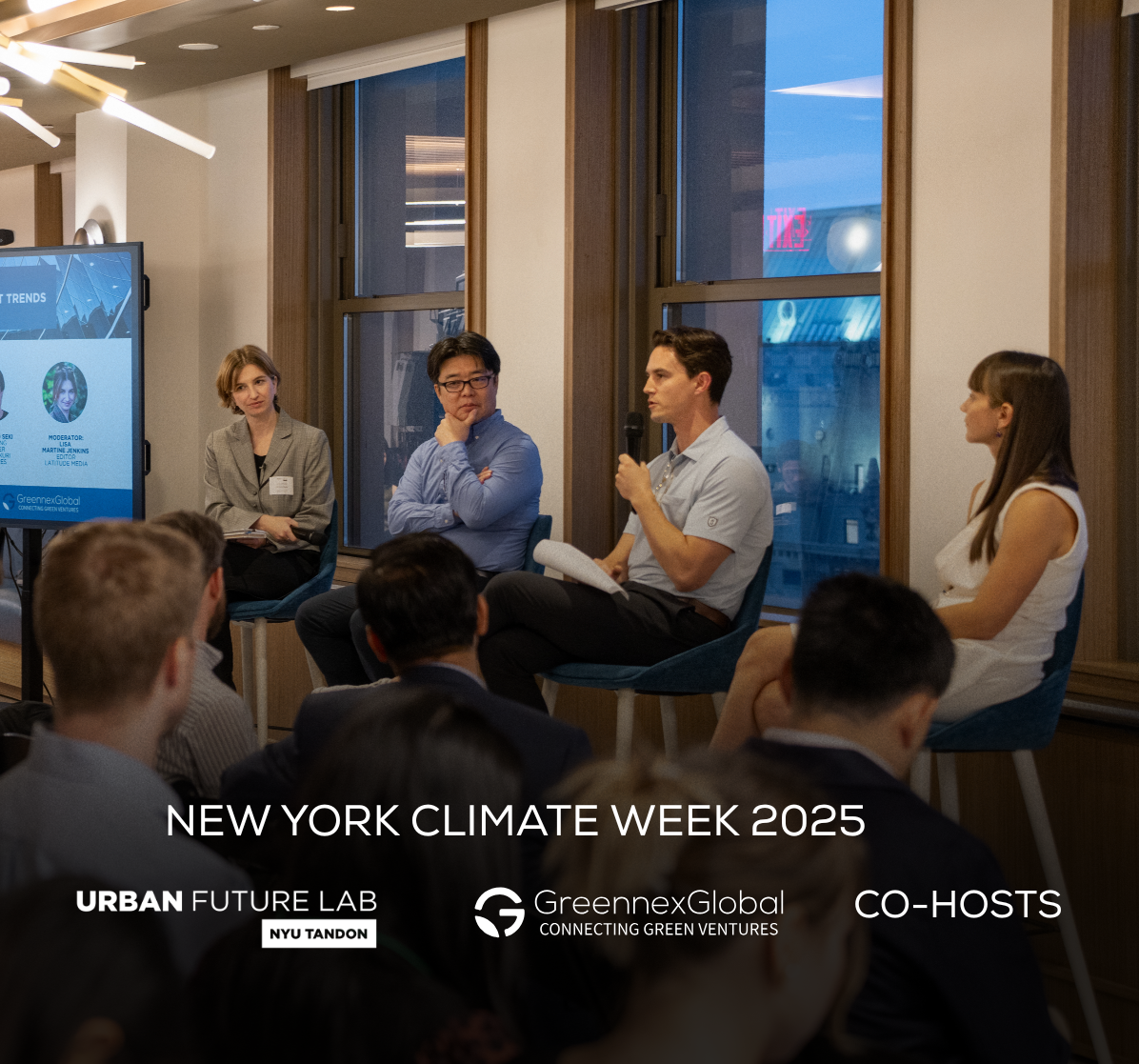
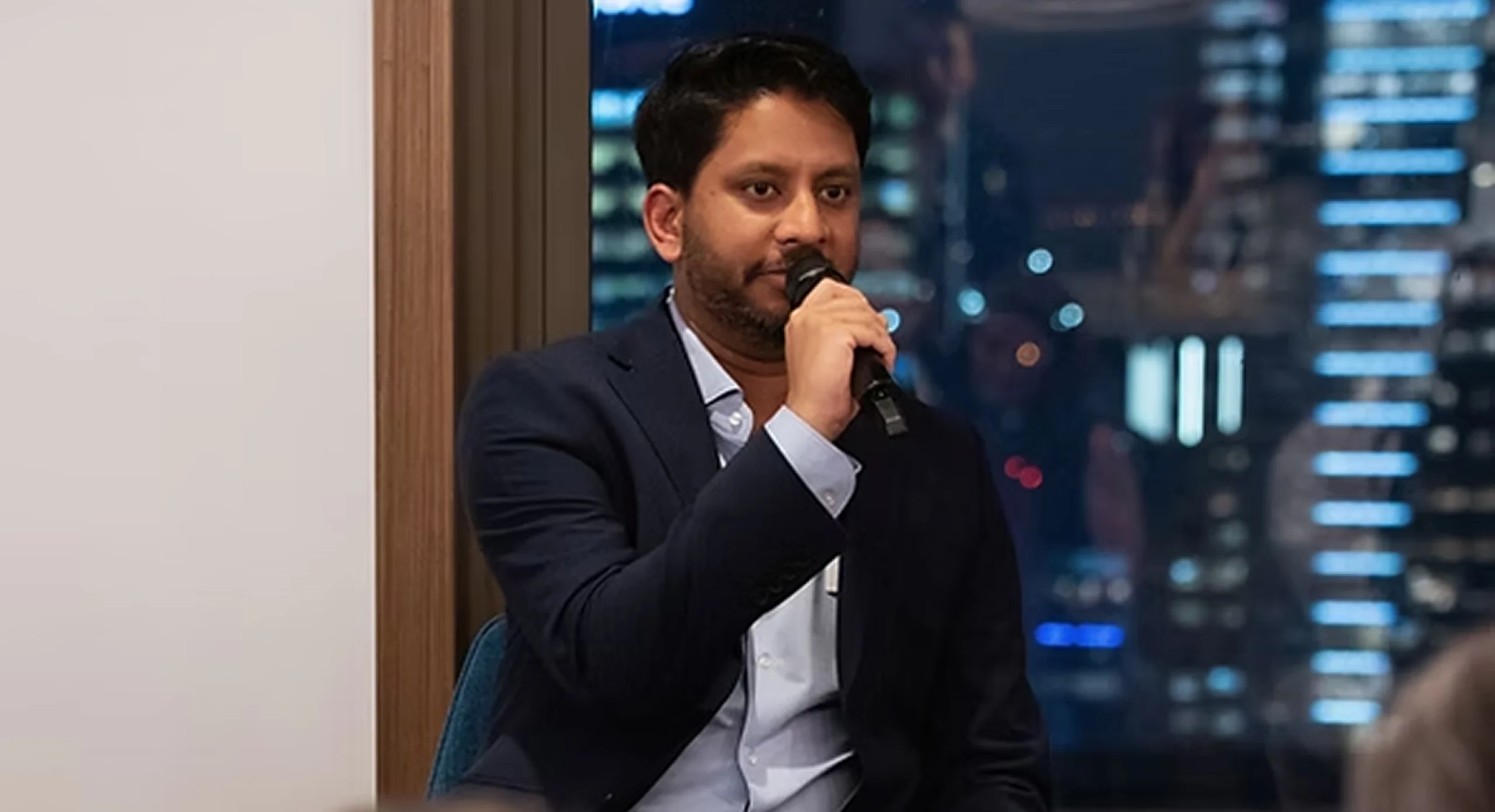
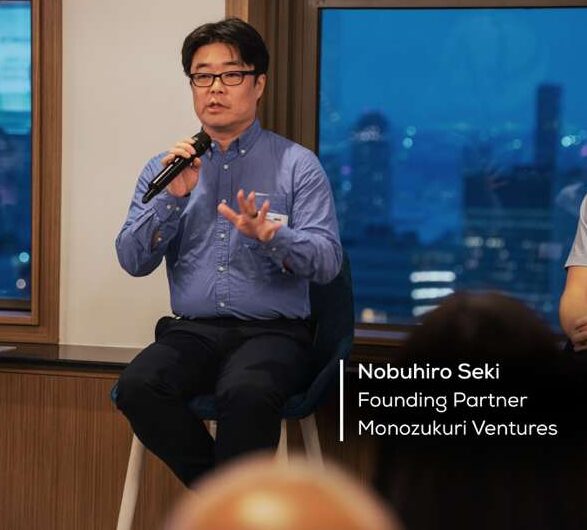
Few people understand this intersection better than Nobuhiro Seki, Founding Partner of Monozukuri Ventures, a cross-border hardware investor who has spent more than two decades working between Japan and the United States. At the Global Venture Dialogue (GVD) convening two panels of global investors, Greennex Global and Urban Future Lab hosted Seki to discuss what makes hardware innovation different in a climate-tech world, why cross-border teams outperform single-market founders, and how Japanese startups can treat regulation not as a headwind but as their earliest signal of opportunity.
The Hidden Advantage in Cross-Border Hardware Teams
Seki’s core insight is simple but profound: a Japanese and U.S. team cannot be managed through hierarchy. What does work is building a shared environment where both sides constantly hear, interpret, and respond to the same information.
When he led teams in California and Japan, Seki built a virtual workspace where business development conversations, engineering discussions, and day-to-day problem-solving happened in earshot of everyone. Engineers would listen to commercial conversations, not because they were required to, but because understanding the business context accelerated the technical solutions.
Over time, something powerful happened: cultural differences stopped being a friction and became an advantage. U.S. teams moved fast, prototyping and generating first versions. Japanese teams refined and perfected, taking rough prototypes and engineering them into reliable, scalable systems.
“When the team really knows each other, they work as if they’ve known one another for decades,” Seki says. In climate hardware, where speed and precision matter equally, he believes this combination is uniquely potent.
What Signals That a Hardware Startup Is Ready to Go Global?
During the GVD panel, Seki made clear that the answer has nothing to do with pitch decks or prototypes. What matters is whether the team has uncovered the root cause behind the customer’s pain point.
Teams that dive deeper and deeper into the problem eventually hit an “aha moment,” Seki explains, when they uncover the foundational issue that creates a dozen surface-level symptoms. When a startup solves that root cause, its technology naturally extends across industries and borders.
“That kind of very simple but very in-depth understanding is the signal a company can scale,” he says. Hardware founders often focus on technical elegance; Seki looks for clarity, humility, and intellectual depth in the ideas he supports. In particular, he values the ability to identify non-obvious problems and their underlying essence, rather than starting from a shallow or generic problem statement.
Regulation as a Market Map, Not a Barrier
When asked how Japanese hardware startups are navigating today’s U.S. industrial policy from tariffs to domestic manufacturing incentives, Seki responds, “The first reaction in Japan is always panic.” Companies see new regulations and immediately fear misalignment or loss.
But Seki believes the opposite, and he learned this early in his career. “My mentor always said, ‘Deregulation or regulation, any change can become an opportunity.’ And I think that’s true.” To Seki, every shift in policy is the earliest indicator of a successful idea.
Whether it is supply chain reshoring, advanced manufacturing incentives, or new disclosure policies, Seki sees policy as a window into the industries that will expand next; an exemplification of capitalist “creative destruction”. To him, this mindset is often the difference between stagnation and breakout success for climate hardware founders.
A Changing Japan: Why Investors Now Look Toward the U.S.
Historically, Japan did not celebrate entrepreneurship. Seki recalls founders being discouraged for not choosing stable corporate jobs. But today, the Japanese government actively encourages startups to seek global success.
At the panel, Seki argued that simply “bringing Japanese startups to the U.S.” is not the right approach. Instead, Japanese corporations and investors must first understand Western founder psychology and incentive structures. Without that understanding, Japanese startups entering the U.S. ecosystem face cultural mismatches larger than any market barrier.
“Mindset comes before geography,” he says. Cross-border success begins with learning how the other side thinks.
Climate Rhetoric, Investor Psychology, and Long-Term Hardware Cycles
In the last six to nine months, global sentiment around climate has oscillated rapidly, from record funding for resilience technologies to periods of political uncertainty and volatile rhetoric.
Seki is unfazed. “Day-to-day business for start-ups won’t change,” he says. But LPs and corporate investors, who often operate under regulatory oversight, adjust their strategies quickly. Political signals matter less for founders building hardware than for the capital allocators backing them.
At the same time, he cautions that hardware investors must be realistic: not every climate technology fits a 10-year exit horizon. Seki points to nuclear and other deep-tech categories, which are critical to the energy transition, but unlikely to produce venture-scale exits on Silicon Valley timelines, which calls for alternative capital structures. The challenge for Japanese investors is balancing technological ambition with the constraints of traditional VC structures.
The Main Takeaway: Climate Hardware Should Be Global by Design
Across the conversations, one theme repeats: hardware innovation thrives when multiple cultures and philosophies overlap. Japan’s legacy in precision manufacturing and the U.S.’s strength in rapid experimentation are not competing models but complements.
For Seki, the next wave of climate hardware will be built by founders who understand the problem deeply, respond to policy shifts with agility, and embrace cross-border collaboration not as a necessity but as a competitive edge.
In a decade defined by industrial transformation and geopolitical flux, Seki believes the winners will be those who treat complexity as a signal and understand that climate hardware has always been a global story.
*
This conversation was produced by Urban Future Lab and Greennex Global, a New York–based investment advisory and innovation intelligence platform connecting global smart-infrastructure and next-generation energy ventures.