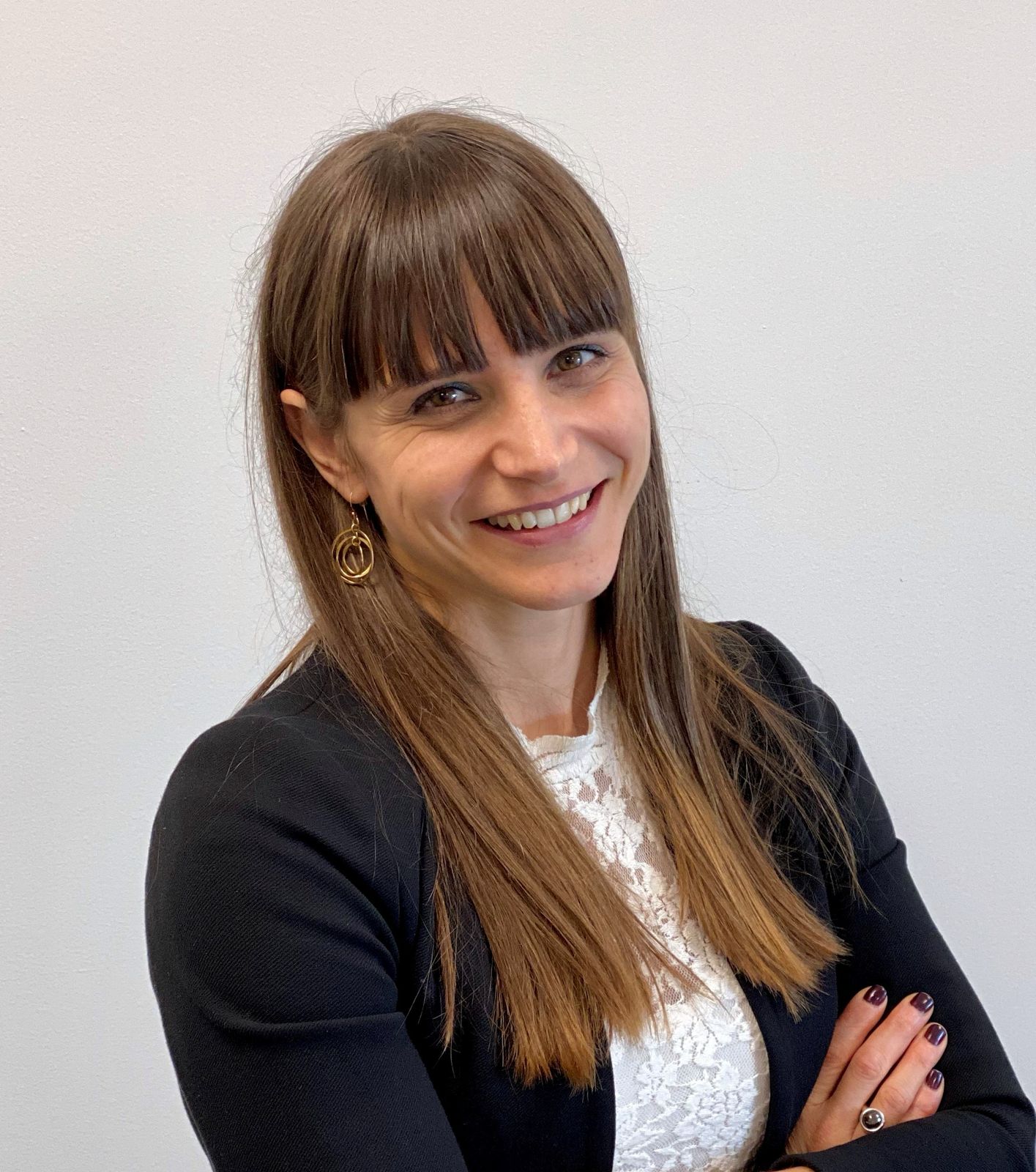
All views represent Chandler Cribe’s and not GE Vernova
From Electron Creation to Industrial-Scale Electron Management
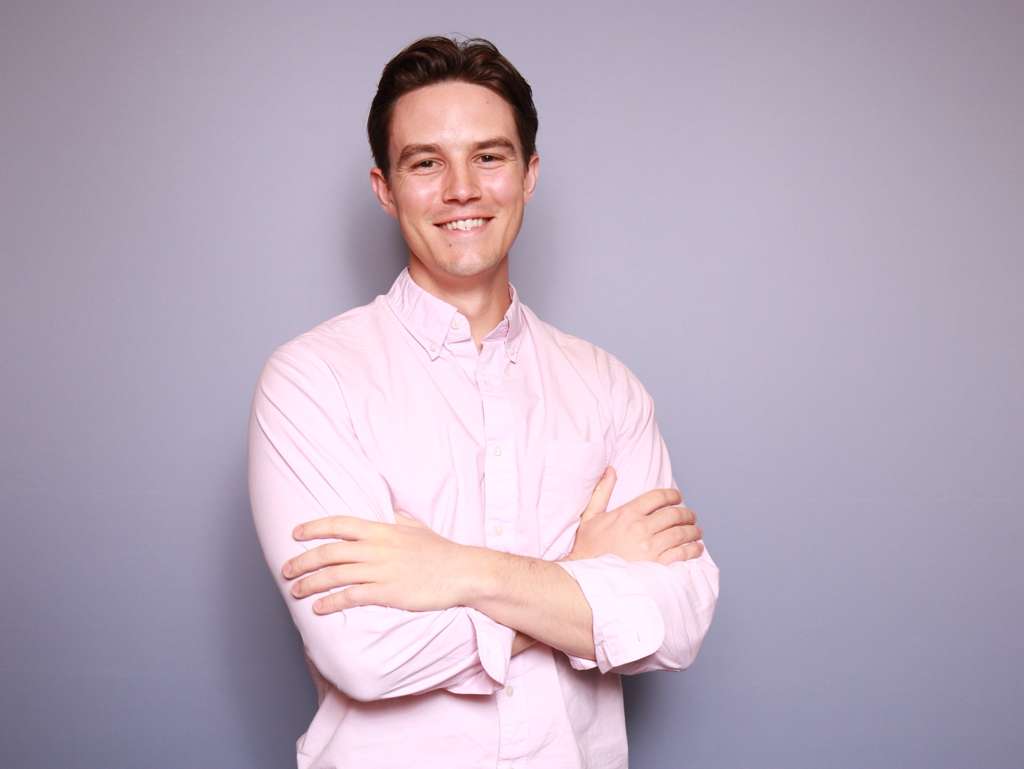
As climate technology moves from ambition to infrastructure, the question facing founders is no longer whether a solution works, but whether it works at scale. For Chandler Cribe, a corporate venture capital investor at GE Vernova Ventures, that distinction defines the difference between promising innovation and deployable climate impact.
GE Vernova, the energy-focused spin-out of General Electric, operates across power generation, grid infrastructure, and energy management worldwide. Through its venture arm, the company invests in startups at the critical early-commercialization stage, i.e., post-pilot, post-feasibility, and ready to scale across markets. Chandler’s role spans everything from zero-emissions power generation to the systems that manage electrons once they come online: power electronics, grid controls, digital optimization, and advanced substations.
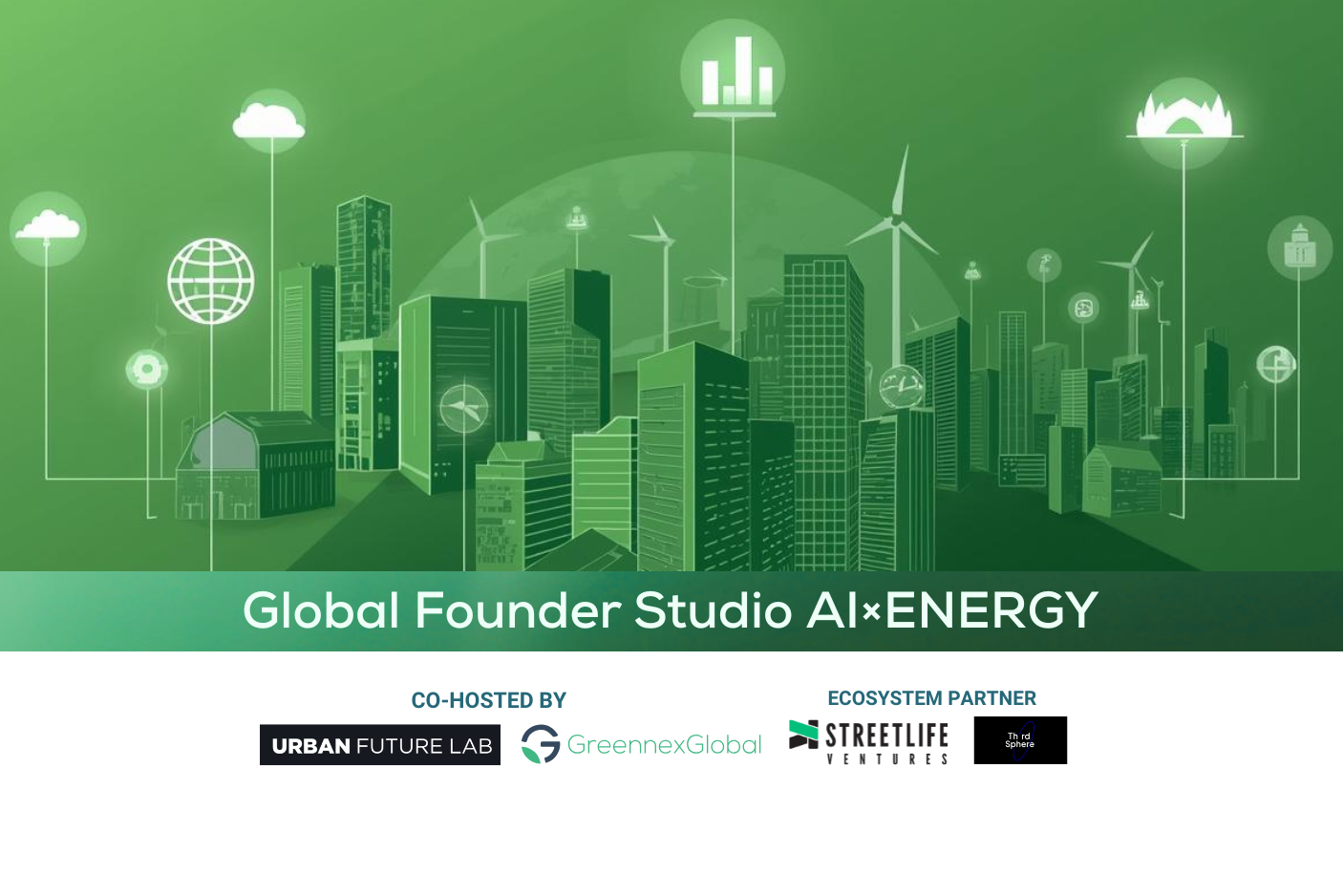
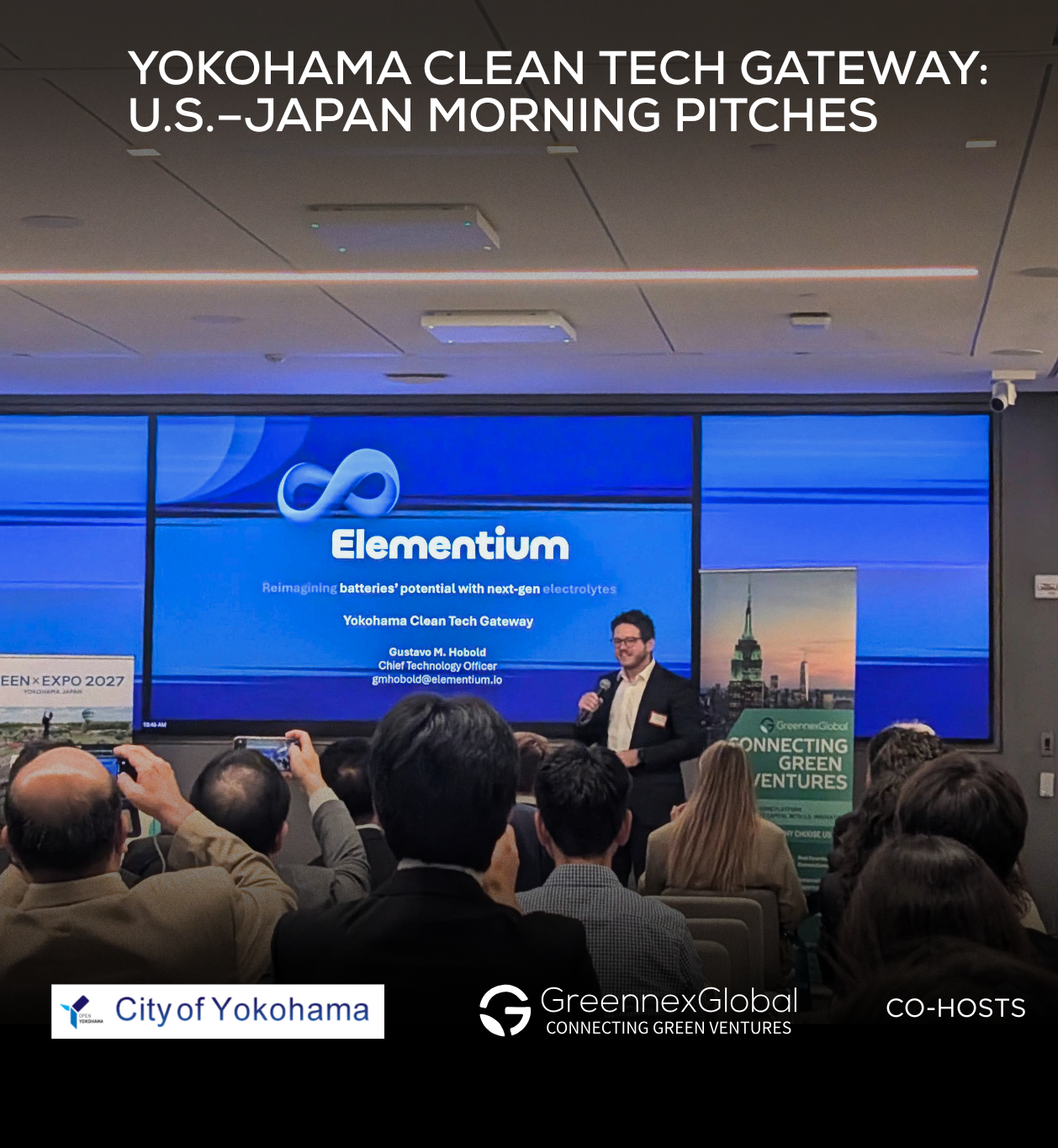
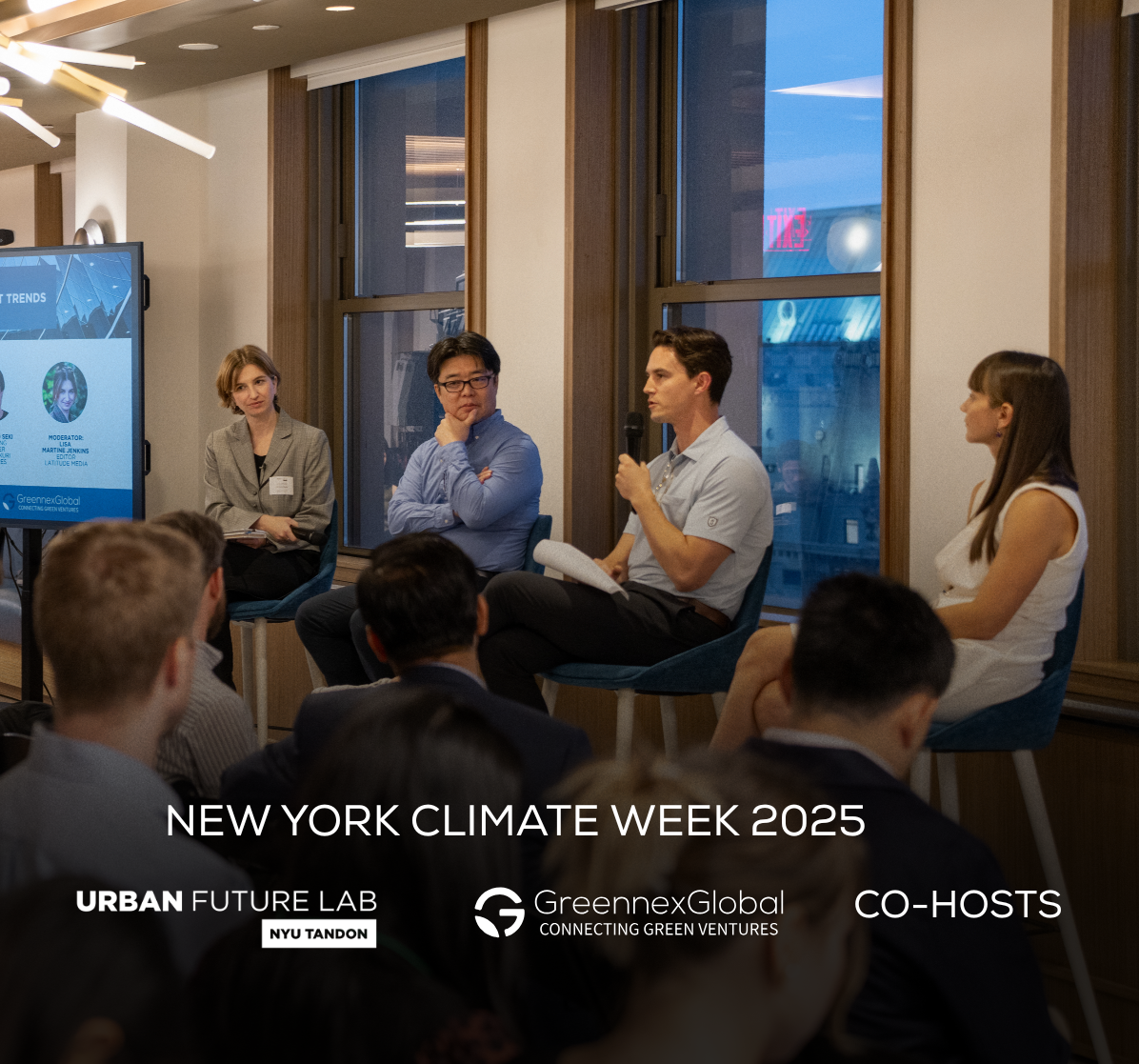
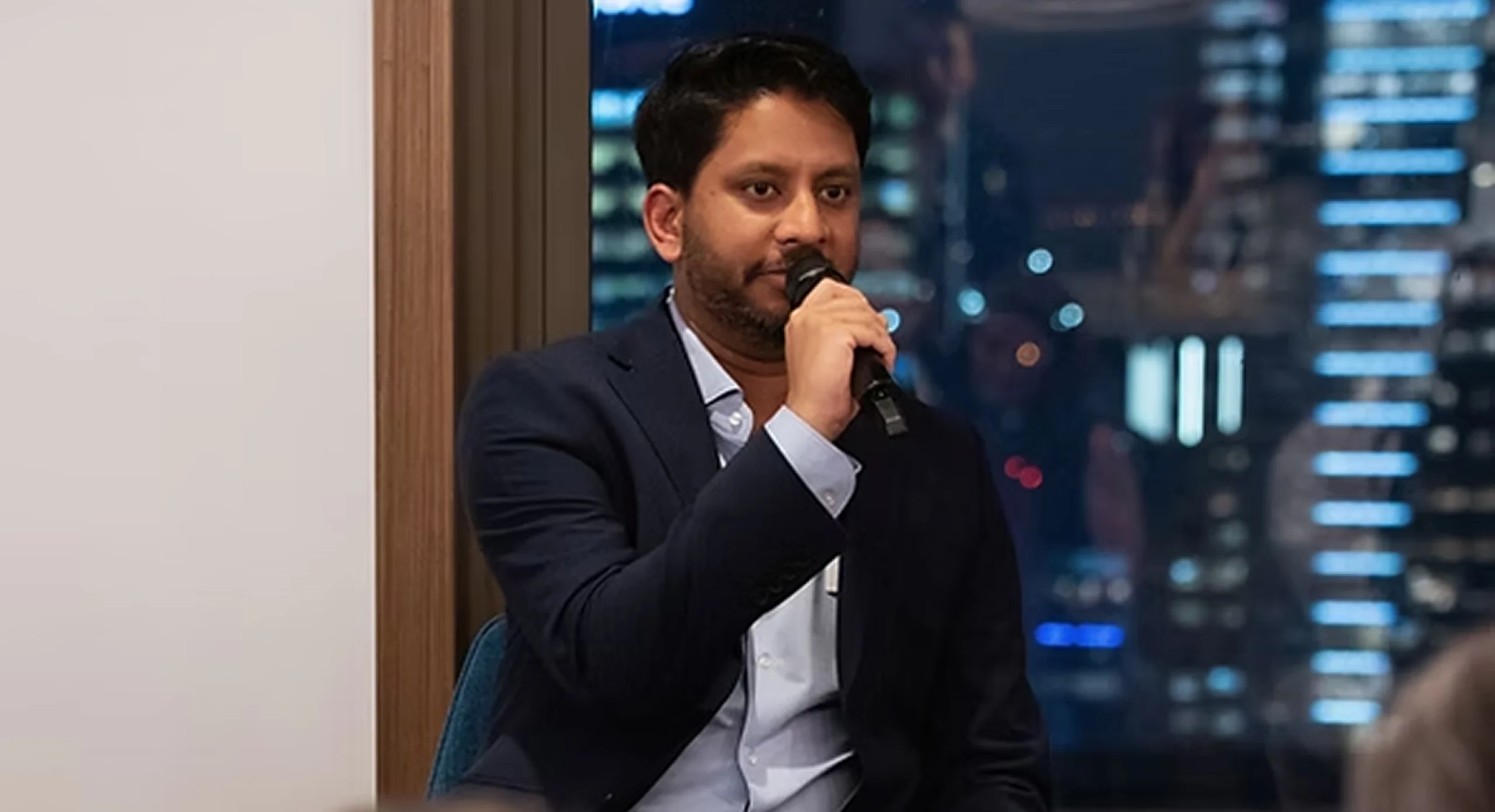
At the Global Venture Dialogue (GVD) convening two panels of global investors, Greennex Global and Urban Future Lab hosted Chandler to discuss how GE Vernova defines a “global startup,” why corporate partnerships demand magnitude, and how founders can navigate slow-moving institutions without losing momentum.
What Does It Mean to Be a Global Startup?
For Chandler, global success begins with repeatability rather than footprint.
“A global startup is entirely global-ready,” he says. “You can sign, ship, install, finance, and prove the technology in one region, and then repeat that same format across markets.”
While policy and risk profiles vary by country, the core technology should remain fundamentally consistent. Startups that must redesign their product for every new geography often struggle to scale. In contrast, some technologies are better suited to expand internationally early on. Chandler even goes as far as to say that the U.S.often isn’t the best place to start, pointing to markets like Brazil where lower-cost inputs can unlock stronger economics.
From an investor’s perspective, this ability to replicate across markets is essential. Technologies that can be standardized globally are far more likely to support long-term corporate partnerships.
Strategic Fit Comes Before Capital
As a corporate venture investor, Chandler is direct about GE Vernova’s priorities when it comes to incubation: strategic alignment comes first.
“The conversation shouldn’t start with, ‘What can you do for us?’” he says. “It should start with, ‘I’ve learned about you, and here’s how I can improve your processes.’”
GE Vernova is a public company with a clearly articulated strategy. Founders who fail to do their homework risk signaling a deeper issue: misunderstanding the customer. Beyond fit, the venture team looks for commercial readiness. “We’re not taking early technology risk,” Chandler explains. “We need founders who say: ‘The product works, and now it’s ready to scale.’ ”
What ultimately drives adoption, Chandler elaborates, is magnitude. Incremental gains are rarely sufficient to justify changing complex systems. Instead, corporate venture investors look for improvements that materially shift cost, efficiency, or reliability at scale.
Policy Matters, But Dependence Is Risky
Operating globally means navigating different regulatory regimes, but Chandler cautions against business models built around incentives.
“The regulatory landscape can change at any moment,” he says. “So reducing dependence on government incentives is critical to lowering risk.”
Energy demand, however, is constant, even as political priorities shift. While different countries may emphasize different generation sources, companies that deliver real cost efficiencies, reliability, and resilience are better positioned to endure across cycles and markets.
Grid Infrastructure: The Most Underrated Opportunity
When asked which technologies are overlooked, Cribe points to grid management without hesitation..
“There’s a ton of electrons coming online,” he says. “Now we have to manage them.”
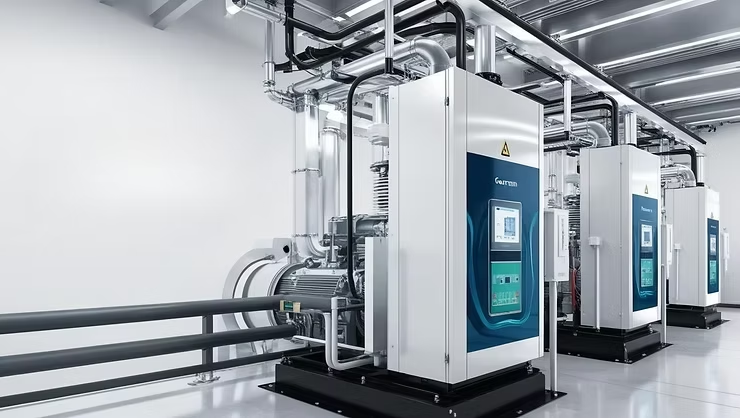
As electrification accelerates, technologies such as power electronics, DER controls, solid-state transformers, and microgrids are becoming essential infrastructure. Partnering with utilities is unavoidable, even if it is slow.
This focus on grid intelligence and coordination is echoed across Urban Future Lab’s portfolio, where several companies are addressing the same bottlenecks from the startup side. UFL-supported ventures such as ENCYCL, which optimizes energy storage for grid resilience, and Smarter Grid Solutions, which enables utilities to manage distributed energy resources at scale, reflect the kind of infrastructure-first innovation Chandler argues is essential as electrification expands.
Working with Corporate VCs Without Getting “Stuck”
Corporate venture capital operates within large, complex organizations, and timelines reflect that reality.
“There are a lot of stakeholders, a lot of opinions,” Chandler says. “We want to move fast, but we also have to serve the mothership.”
Founders who succeed start relationship-building long before they need capital. Rather than leading with action items, Chandler advises startups to engage as early as possible, understand internal processes, and build credibility over time. “Warm conversations always work better than cold asks,” he notes.
Partnering with shared customers, such as utilities already working with GE Vernova, can further accelerate collaboration by aligning incentives across the value chain.
The Main Takeaway: A Strong Team Makes The Difference
Across Chandler’s insights, a clear theme emerges: global impact is not driven by ambition alone, but by a good team. Technologies scale only when teams understand each other, their incubators, and their customers.
“It always comes back to the team,” Cribe reflects. A strong team, he argues, is one that can navigate shifting policy environments and complex institutional partners without losing focus or momentum.
For climate founders, this means more than moving fast. It means building with scale in mind from the outset, engaging partners early, and grounding innovation in real economic value. In a decade defined by electrification and infrastructure transformation, the technologies that endure will be those prepared not just to grow, but to integrate into the systems that power the global economy.
*
This conversation was produced by Urban Future Lab and Greennex Global, a New York–based investment advisory and innovation intelligence platform connecting global smart-infrastructure and next-generation energy ventures.